
';
?>
';
?>
We feel devotion
DataCenter
WEEK ANALYSIS
ELFantasy Centers Preview 2025-26
Breaking down the center position ahead of the new EuroLeague Fantasy season
Published: 27/09/2025 19:46
We’re in the final stretch before the new EuroLeague Fantasy season tips off, with teams playing their last games — in some cases their first official ones — ahead of the historic date of September 30th, as the EuroLeague season begins in September, and on a Tuesday.
Because of EuroBasket, the evidence so far about each player’s role is far from clear, especially for those moving into new environments or for rookies, who are always a risk at the start. Many teams prepared with significant absences due to national team duties, while a few others still have open roster spots.
With rotations expanding and minutes being shared almost religiously, any early conclusions are uncertain. Most games so far have been friendlies, which adds another layer of uncertainty about how coaches will shape their hierarchies.
Most clubs have stocked three or even four options per position. That’s especially true for Olympiacos and Panathinaikos, where the sheer number of stars inevitably lowers the Fantasy ceiling for each individual. Quality is not the issue — if anything, it’s concentrated at such a level that Fantasy opportunities are harder to find.
Such a situation is, of course, a general sign of the basketball times, becoming more and more evident in a competition like the EuroLeague. Surely, there will always be players who stand out on a consistent basis. But this overall rise in the level of play — and especially in bench depth — works rather against Fantasy. In its adventurous format, the game relies heavily on the element of luck. As a result, management options remain limited, and the immediate but small dependence of a player’s price change on just the last game hardly helps matters.
All rounds, but especially round 1 is always risky. At least six or seven of your first picks (depending on whether you keep the same coach) will inevitably carry into Round 2, so opening choices can define your season. Prices this year are, as usual, on the tough side but overall well-balanced, with no glaring mistakes. Clear bargains are fewer than in past seasons, making roster-building even trickier.
This year, our previews begin with the centers — a position that feels thinner in top-tier names compared to guards and forwards. Whether that proves true remains to be seen, but the overall potential is there. What’s certain is that managers will likely have to spend double digits credits on at least one of their two center slots, though some intriguing cheaper cases can be found further down the list.
As always, the following list is indicative: players who either look relevant right away or could become valuable once they’ve had time to adapt. Not all of them are safe picks, and those not included are not necessarily irrelevant. Think of this as a guide to the most interesting center options at the start of the new season.
At the higher end of the position are big names like Mathias Lessort (15.4 credits) and Walter Tavares (15 credits). Tavares is a safe pick any time, but in the early weeks managers may prioritize other names — especially among forwards and guards — that promise higher upside based on last year’s numbers. The Real Madrid center will also face heavier competition in his own rotation this season, as Madrid added significant depth, particularly at the 3–4.
As for Panathinaikos’ giant Lessort, patience will be required. He’s expected to return to the court in a month or two, and when he does, he’ll immediately raise the bar at the position. The same patience is true — with an even longer wait — for Joel Bolomboy (12.5 credits), one of the most reliable center picks in recent years but currently sidelined, possibly until 2026.
One “expensive” name with clear upside is Tyrique Jones (14.5 credits) of Partizan. He looks set to dominate the 5 spot for his team this year. With a season of EuroLeague experience behind him, Jones may avoid last year’s pitfalls (such as early foul trouble) that often kept him from finding rhythm. Many managers could start the season with him, though, as with Tavares, his price may limit flexibility elsewhere.
Other stable values include Daniel Theis of Monaco (13 credits). He came out hot last year but plateaued later, and with Mirotic and Hayes now in Monaco’s frontcourt, his ceiling may be lower. Johnathan Motley (13.5 credits) has proven he can deliver Fantasy numbers with Fenerbahce, but his foul issues remain a major obstacle. Hapoel also has a deep frontline with Oturu and Odiase, which complicates matters, though playmakers like Micic and Jones could boost his production.
Donta Hall (12.8 credits) is another name worth noting. He consistently produces strong per-40 numbers, whether playing 15 minutes in Monaco or 22 in Baskonia. His efficiency is excellent — over 70% on both two pointers and free throws — and his rebounding and drawn fouls are always helpful. Hall already seems well-settled at Olympiacos, but the spotlight in the Reds’ paint falls on someone else — and that’s where we start our detailed breakdowns.
Finally, there are the promising “mystery boxes”: Kabengele (12.1 credits, excellent EuroCup season), Holmes (12.7 credits, one of the most proven NBA imports in this year’s EuroLeague), and Kai Jones (10.8 credits, still untested in preseason). It’s too early to set expectations for them, but they’ll be closely watched as the season unfolds.
In a season where reliable centers seem scarce, at least early on, the game gifts managers a bargain with Milutinov’s price. Somehow, one of the best Fantasy big men of recent years starts as only the 12th most expensive center, at 12.4 credits—a number he’s only ever touched once before (a career low in the Fantasy era). Even in his “quieter” seasons with Olympiacos, Milutinov can justify this price with ease. The realistic goal, though, is a return to the dominant levels of his peak seasons. That looks more achievable this year thanks to a more favorable setup—not because Donta Hall is weak (far from it), but because Moustapha Fall—long a pillar of Olympiacos’ playing style—is out. Signs point to Milutinov being one of the highest potential investments among centers at the start of 2025–26.
Nebo missed almost all of last season, playing only a handful of games for Milan with limited impact. Managers considering him may need patience, but they also know his potential: in 2023–24, he ranked 6th in the league in per-40 Fantasy rating (with Milutinov at no.1). Milan added Booker to strengthen the frontcourt, which could split fantasy opportunities, but early signs suggest Nebo is ahead in the rotation. If he plays around 23 minutes per game, he has the tools to climb to the upper tier of the position.
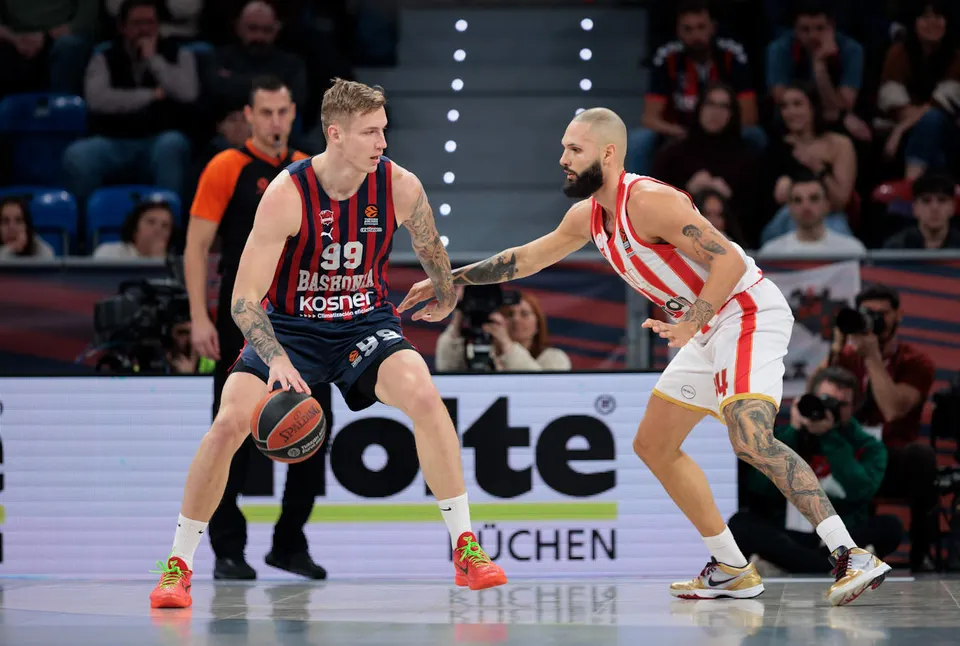
Vesely is coming off a down year by his standards, and at 35 years old, questions about his longevity are fair. Still, he remains a steady Fantasy contributor, and even last season’s numbers can justify his starting price. Whether he can reach his peak levels again is unclear, but his role will also depend on how much usage star forwards Shengelia and Clyburn take, and whether the return of guards like Laprovittola helps balance Barcelona’s offense. Internal competition at the 5 isn’t especially strong, which makes Vesely an interesting mid-range option.
Zalgiris has one of the thinnest frontlines in the league. Birutis couldn’t make the step up last year, and reliable inside scoring remains scarce. That makes this a prime opportunity for Wright to establish himself as a EuroLeague dominant player after only showing flashes during his Olympiacos stint. His preseason performances have been encouraging, and he looks set to be one of the most popular picks at the start of the game — one of the few clear bargains among centers.
Rivero has been one of the few bright spots in Zvezda’s preseason. With Bolomboy sidelined for months, the Cuban is expected to carry a heavy load inside. He comes off a solid season with Maccabi and, while his ceiling isn’t sky-high, the 10.1 price tag feels fair given the circumstances. In a Zvezda team still searching for chemistry, Rivero may well emerge as one of the early leaders.
With Hall and Moneke gone and Diakite currently out, the path is open for Samanic to step into a major role. His early games for Baskonia have been productive, showing an efficiency that make him a promising fantasy prospect. The main concern is his tough Round 1 matchup against Olympiacos (and Donta Hall), but long-term, Samanic looks like one of the more promising picks at this price point, especially given the lack of strong internal competition.
Diouf’s first EuroLeague season was quietly solid: 7.9 Fantasy points in under 16 minutes per game. That output maked this year’s starting price of 7.3 credits interesting. But his stock rose sharply at EuroBasket earlier this month, where he had some nice performances. If pricing happened after that tournament, he’d probably be closer to 9 credits. With Shengelia - carrying a heavy workload at the 4 and all over the court - out, Diouf could become a bigger part of Virtus’ plans and looks like an under-the-radar value.
Vaultier is one of the least-known rookies in the EuroLeague, but he arrives after a strong season in the French league with Cholet, averaging a 14 efficiency rating in 21 minutes. He backed that up with promising preseason games for ASVEL, who rebuilt their entire frontline. At 7 credits, he’s a sneaky low-cost option with real upside. His exact role is still unclear, but he’s one to watch — as is teammate Mbaye Ndiaye (6.5 credits), who showed Fantasy promise last year before his serious injury.
Up next: the forwards preview.
Because of EuroBasket, the evidence so far about each player’s role is far from clear, especially for those moving into new environments or for rookies, who are always a risk at the start. Many teams prepared with significant absences due to national team duties, while a few others still have open roster spots.
With rotations expanding and minutes being shared almost religiously, any early conclusions are uncertain. Most games so far have been friendlies, which adds another layer of uncertainty about how coaches will shape their hierarchies.
Most clubs have stocked three or even four options per position. That’s especially true for Olympiacos and Panathinaikos, where the sheer number of stars inevitably lowers the Fantasy ceiling for each individual. Quality is not the issue — if anything, it’s concentrated at such a level that Fantasy opportunities are harder to find.
Such a situation is, of course, a general sign of the basketball times, becoming more and more evident in a competition like the EuroLeague. Surely, there will always be players who stand out on a consistent basis. But this overall rise in the level of play — and especially in bench depth — works rather against Fantasy. In its adventurous format, the game relies heavily on the element of luck. As a result, management options remain limited, and the immediate but small dependence of a player’s price change on just the last game hardly helps matters.
All rounds, but especially round 1 is always risky. At least six or seven of your first picks (depending on whether you keep the same coach) will inevitably carry into Round 2, so opening choices can define your season. Prices this year are, as usual, on the tough side but overall well-balanced, with no glaring mistakes. Clear bargains are fewer than in past seasons, making roster-building even trickier.
This year, our previews begin with the centers — a position that feels thinner in top-tier names compared to guards and forwards. Whether that proves true remains to be seen, but the overall potential is there. What’s certain is that managers will likely have to spend double digits credits on at least one of their two center slots, though some intriguing cheaper cases can be found further down the list.
As always, the following list is indicative: players who either look relevant right away or could become valuable once they’ve had time to adapt. Not all of them are safe picks, and those not included are not necessarily irrelevant. Think of this as a guide to the most interesting center options at the start of the new season.
Centers
At the higher end of the position are big names like Mathias Lessort (15.4 credits) and Walter Tavares (15 credits). Tavares is a safe pick any time, but in the early weeks managers may prioritize other names — especially among forwards and guards — that promise higher upside based on last year’s numbers. The Real Madrid center will also face heavier competition in his own rotation this season, as Madrid added significant depth, particularly at the 3–4.
As for Panathinaikos’ giant Lessort, patience will be required. He’s expected to return to the court in a month or two, and when he does, he’ll immediately raise the bar at the position. The same patience is true — with an even longer wait — for Joel Bolomboy (12.5 credits), one of the most reliable center picks in recent years but currently sidelined, possibly until 2026.
One “expensive” name with clear upside is Tyrique Jones (14.5 credits) of Partizan. He looks set to dominate the 5 spot for his team this year. With a season of EuroLeague experience behind him, Jones may avoid last year’s pitfalls (such as early foul trouble) that often kept him from finding rhythm. Many managers could start the season with him, though, as with Tavares, his price may limit flexibility elsewhere.
Other stable values include Daniel Theis of Monaco (13 credits). He came out hot last year but plateaued later, and with Mirotic and Hayes now in Monaco’s frontcourt, his ceiling may be lower. Johnathan Motley (13.5 credits) has proven he can deliver Fantasy numbers with Fenerbahce, but his foul issues remain a major obstacle. Hapoel also has a deep frontline with Oturu and Odiase, which complicates matters, though playmakers like Micic and Jones could boost his production.
Donta Hall (12.8 credits) is another name worth noting. He consistently produces strong per-40 numbers, whether playing 15 minutes in Monaco or 22 in Baskonia. His efficiency is excellent — over 70% on both two pointers and free throws — and his rebounding and drawn fouls are always helpful. Hall already seems well-settled at Olympiacos, but the spotlight in the Reds’ paint falls on someone else — and that’s where we start our detailed breakdowns.
Finally, there are the promising “mystery boxes”: Kabengele (12.1 credits, excellent EuroCup season), Holmes (12.7 credits, one of the most proven NBA imports in this year’s EuroLeague), and Kai Jones (10.8 credits, still untested in preseason). It’s too early to set expectations for them, but they’ll be closely watched as the season unfolds.
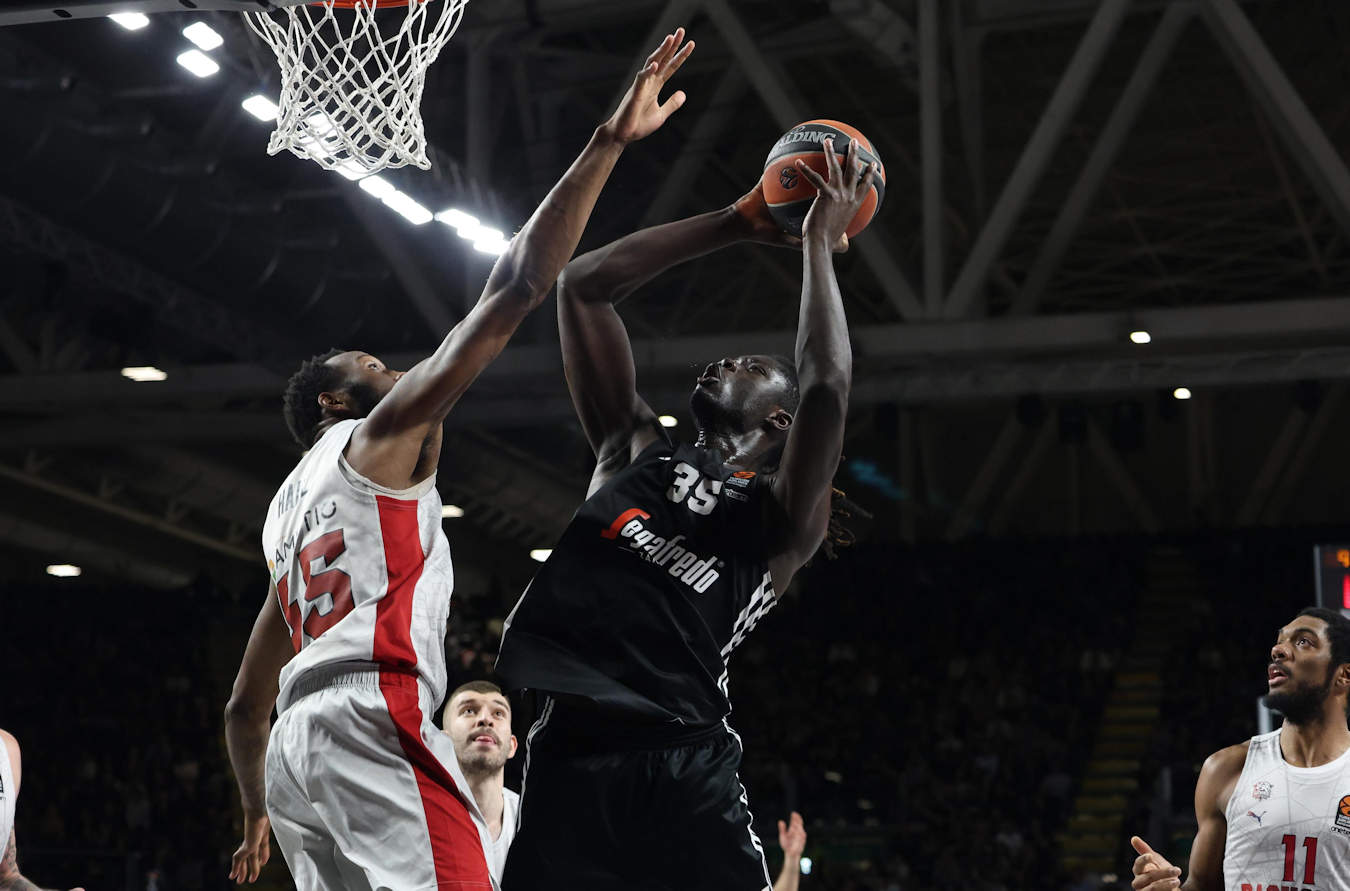
Nikola Milutinov (Olympiacos) – 12.4
In a season where reliable centers seem scarce, at least early on, the game gifts managers a bargain with Milutinov’s price. Somehow, one of the best Fantasy big men of recent years starts as only the 12th most expensive center, at 12.4 credits—a number he’s only ever touched once before (a career low in the Fantasy era). Even in his “quieter” seasons with Olympiacos, Milutinov can justify this price with ease. The realistic goal, though, is a return to the dominant levels of his peak seasons. That looks more achievable this year thanks to a more favorable setup—not because Donta Hall is weak (far from it), but because Moustapha Fall—long a pillar of Olympiacos’ playing style—is out. Signs point to Milutinov being one of the highest potential investments among centers at the start of 2025–26.
Josh Nebo (Milano) – 12
Nebo missed almost all of last season, playing only a handful of games for Milan with limited impact. Managers considering him may need patience, but they also know his potential: in 2023–24, he ranked 6th in the league in per-40 Fantasy rating (with Milutinov at no.1). Milan added Booker to strengthen the frontcourt, which could split fantasy opportunities, but early signs suggest Nebo is ahead in the rotation. If he plays around 23 minutes per game, he has the tools to climb to the upper tier of the position.
Jan Vesely (Barcelona) – 11.1
Vesely is coming off a down year by his standards, and at 35 years old, questions about his longevity are fair. Still, he remains a steady Fantasy contributor, and even last season’s numbers can justify his starting price. Whether he can reach his peak levels again is unclear, but his role will also depend on how much usage star forwards Shengelia and Clyburn take, and whether the return of guards like Laprovittola helps balance Barcelona’s offense. Internal competition at the 5 isn’t especially strong, which makes Vesely an interesting mid-range option.
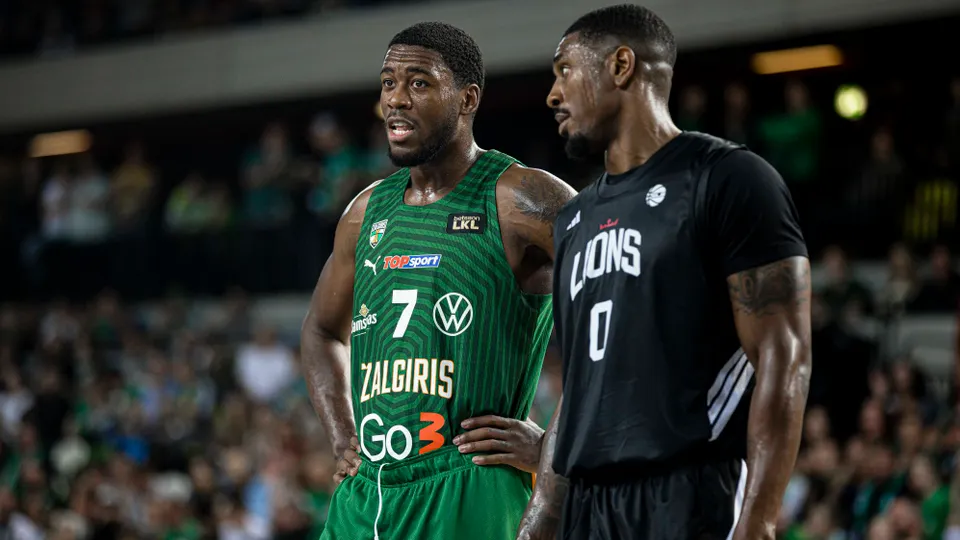
Moses Wright (Zalgiris) – 10.5
Zalgiris has one of the thinnest frontlines in the league. Birutis couldn’t make the step up last year, and reliable inside scoring remains scarce. That makes this a prime opportunity for Wright to establish himself as a EuroLeague dominant player after only showing flashes during his Olympiacos stint. His preseason performances have been encouraging, and he looks set to be one of the most popular picks at the start of the game — one of the few clear bargains among centers.
Jasiel Rivero (Crvena Zvezda) – 10.1
Rivero has been one of the few bright spots in Zvezda’s preseason. With Bolomboy sidelined for months, the Cuban is expected to carry a heavy load inside. He comes off a solid season with Maccabi and, while his ceiling isn’t sky-high, the 10.1 price tag feels fair given the circumstances. In a Zvezda team still searching for chemistry, Rivero may well emerge as one of the early leaders.
Luka Samanic (Baskonia) – 10
With Hall and Moneke gone and Diakite currently out, the path is open for Samanic to step into a major role. His early games for Baskonia have been productive, showing an efficiency that make him a promising fantasy prospect. The main concern is his tough Round 1 matchup against Olympiacos (and Donta Hall), but long-term, Samanic looks like one of the more promising picks at this price point, especially given the lack of strong internal competition.
Mouhamet Diouf (Virtus) – 7.3
Diouf’s first EuroLeague season was quietly solid: 7.9 Fantasy points in under 16 minutes per game. That output maked this year’s starting price of 7.3 credits interesting. But his stock rose sharply at EuroBasket earlier this month, where he had some nice performances. If pricing happened after that tournament, he’d probably be closer to 9 credits. With Shengelia - carrying a heavy workload at the 4 and all over the court - out, Diouf could become a bigger part of Virtus’ plans and looks like an under-the-radar value.
Bastien Vaultier (ASVEL) – 7
Vaultier is one of the least-known rookies in the EuroLeague, but he arrives after a strong season in the French league with Cholet, averaging a 14 efficiency rating in 21 minutes. He backed that up with promising preseason games for ASVEL, who rebuilt their entire frontline. At 7 credits, he’s a sneaky low-cost option with real upside. His exact role is still unclear, but he’s one to watch — as is teammate Mbaye Ndiaye (6.5 credits), who showed Fantasy promise last year before his serious injury.
Up next: the forwards preview.


